Emergency Hospitals in Nagoya & How to Find English-Speaking Clinics
2025.12.26For foreign residents and travelers in Nagoya, knowing where to go when you’re sick or what to do in an emergency is extremely important.
Japan’s medical system is safe and efficient, but it may feel confusing if you’re not familiar with the rules or the language.
目次
Where to Go for Medical Care in Nagoya

The type of medical facility you should use depends on urgency and severity.
① Emergency Hospitals (24 hours / 365 days)
If you have a serious injury or life-threatening condition, go to an emergency hospital.
Examples of situations requiring emergency care:
・Traffic accidents
・Severe bleeding
・Difficulty breathing
・Unconsciousness
・Sudden severe chest pain
・Stroke symptoms
You can be taken directly by ambulance.
② Clinics & General Hospitals (During regular hours)
If you need to see a doctor but it is not life-threatening, visit a clinic or general hospital (総合病院) during daytime hours.
Common reasons:
・Fever
・Stomach pain
・Headache
・Skin problems
・Minor injuries
・Respiratory symptoms
These are the most common medical facilities for everyday health issues.
③ Nighttime or After-Hours Medical Care
If clinics are closed but it’s not an emergency, many cities (including Nagoya) have after-hours medical centers.
These typically treat:
・Fever
・Cough
・Minor injuries
・Symptoms that can’t wait until morning
④ Pharmacies & Drugstores
If your symptoms are mild and you don’t need to see a doctor, you can visit a pharmacy or drugstore.
Pharmacies offer:
・OTC medicines
・Advice from a pharmacist
・Consultations for minor conditions
Some types of medicine cannot be purchased unless a pharmacist is present.
What to Do in an Emergency (Ambulance: Dial 119)
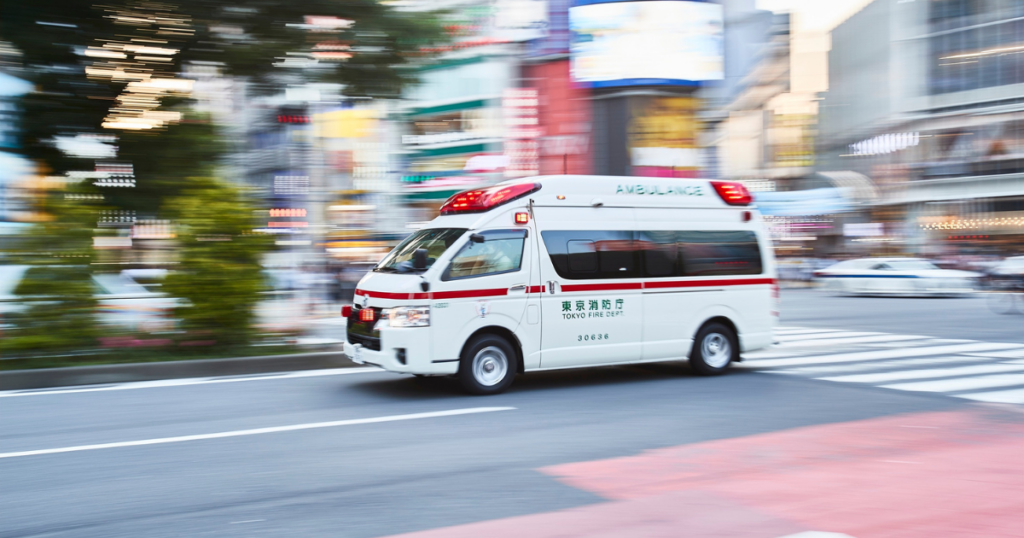
For life-threatening emergencies, call 119 for an ambulance.
If you cannot speak Japanese, show this phrase:
“Please call an ambulance.”
Ambulances will take you to an available emergency hospital.
You cannot choose the hospital yourself.
Because treatment may begin immediately, foreign residents are encouraged to prepare:
・A medical information sheet
・A list of allergies and medications
・Passport or residence card
・Health insurance card
The Process at a Japanese Medical Facility
① Reception
Give your insurance card and ask for the estimated cost.
English support varies—many clinics may not speak English.
② Fill out medical forms
Symptoms, history, allergies, pregnancy status, etc.
③ Doctor’s examination
You will receive a diagnosis and a prescription.
④ Payment
・Hospitals often accept credit cards
・Many clinics require cash
・If you have travel insurance with cashless service, you may not need to pay upfront
⑤ Pharmacy
Prescription medicines are picked up at a separate pharmacy, unless the clinic provides in-house dispensing.
Symptoms & Which Department to Visit
| Symptom | Department |
| Fever, cough, sore throat | Internal Medicine |
| Headache | Internal Medicine / Neurosurgery |
| Chest pain | Cardiology / Respiratory Medicine |
| Abdominal pain | Internal Medicine / Gastroenterology / OBGYN (for women) |
| Diarrhea | Gastroenterology |
| Injury, cuts | Surgery / Plastic Surgery |
| Fractures, joint pain | Orthopedics |
| Burns | Dermatology / Plastic Surgery / Surgery |
| Skin rash, hives | Dermatology |
| Dizziness, ear ringing | ENT / Neurology |
| Ear or nose issues | ENT |
| Children’s illnesses | Pediatrics |
| Tooth pain | Dentistry |
| Urinary symptoms | Urology |
| Pregnancy or bleeding | Obstetrics & Gynecology |
| Unsure where to go | General Medicine (総合診療科) |
FAQ: Emergency Hospitals & English-Speaking Clinics in Nagoya
Q1. Can I use an ambulance even if I’m not sure it’s an emergency?
If you believe your condition could be dangerous, call 119. Ambulances in Japan are free, but misuse is discouraged.
Q2. Do hospitals in Nagoya speak English?
Some do, especially large hospitals, but not all. Always check beforehand or bring a translation tool.
Q3. What should I bring to the hospital?
・Health insurance card
・Passport/residence card
・Cash or credit card
・Medication list/allergy list
Q4. Can pharmacies give medical advice in English?
Basic communication may be possible, but expect limited English. Smartphone translation helps.
Q5. Do I need an appointment for clinics?
Many clinics accept walk-ins, but some require appointments. Always check their website or call.
Q6. How do I know which department to visit?
Check the symptoms chart above. If unsure, visit General Medicine (総合診療科).
Stay Safe & Comfortable in Nagoya with NAGOYA APARTMENT
If you’re staying in Nagoya for travel, study, or business, having convenient access to hospitals and clinics is essential.
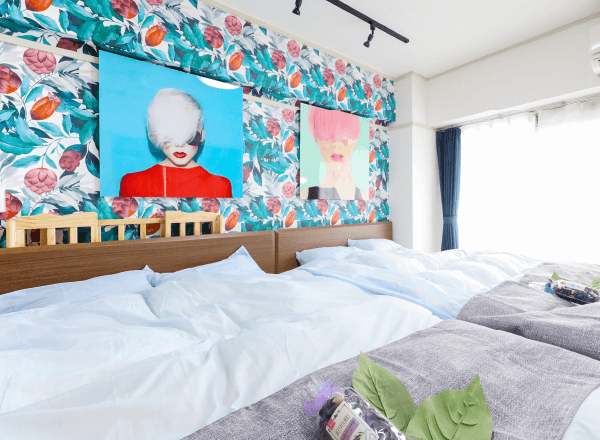
NAGOYA APARTMENT offers fully furnished, easy-to-live-in accommodations located in:
Nagoya Station / Chikusa / Imaike / Ozone / Kasadera / Osu / Ikeshita
All properties provide:
・Full furniture and appliances
・Kitchen & daily necessities
・Easy access to medical facilities and pharmacies
・Locations within 10 minutes by train or 30 minutes by car from Nagoya Station
For stays of 31 nights or more, you can use NAGOYA APARTMENT as a monthly rental, with:
・No key money
・No security deposit
・Move-in-ready rooms
If you want a smooth, safe, and comfortable life in Nagoya,
NAGOYA APARTMENT is the perfect place to stay.
 最近の投稿
最近の投稿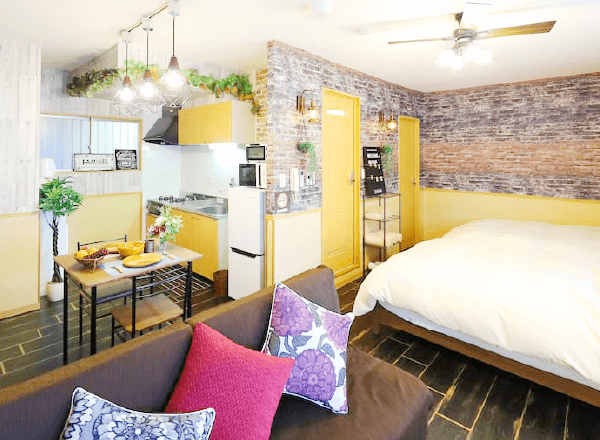
CHOOSE A ROOM
NAGOYA APARTMENTの豊富な物件から
気分にあったお部屋を選ぶ!
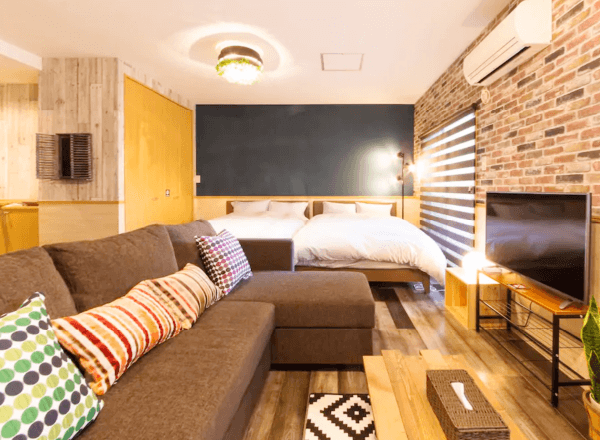 Nagoya Apartment Chikusa #302
名古屋市千種区内山
カフェ風テイストな内装でくつろぎの空間で民泊。
Nagoya Apartment Chikusa #302
名古屋市千種区内山
カフェ風テイストな内装でくつろぎの空間で民泊。
名古屋市東区千種駅より徒歩3分
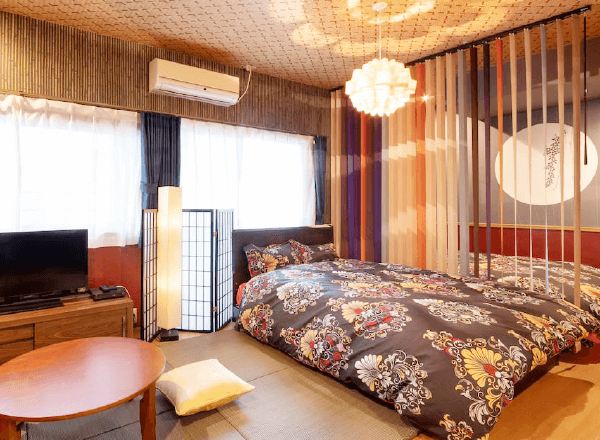 Nagoya Apartment Chikusa #501
名古屋市千種区内山
和モダンテイストのお部屋で民泊。老若男女問わず人気!名古屋市東区千種駅より徒歩3分
Nagoya Apartment Chikusa #501
名古屋市千種区内山
和モダンテイストのお部屋で民泊。老若男女問わず人気!名古屋市東区千種駅より徒歩3分
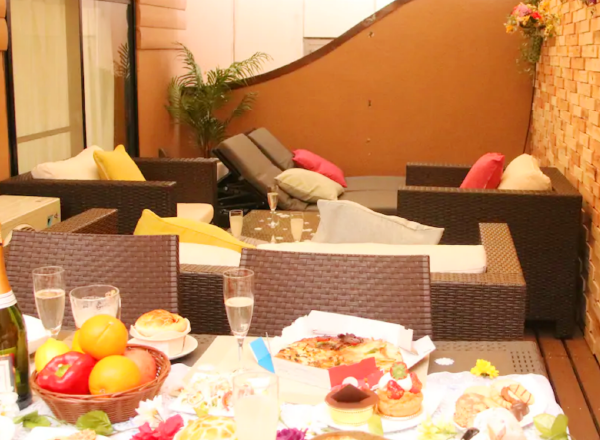 Nagoya Apartment Imaike
名古屋市千種区今池
プロジェクター完備!おしゃれな部屋で優雅な民泊を。名古屋市東区今池駅より徒歩4分
Nagoya Apartment Imaike
名古屋市千種区今池
プロジェクター完備!おしゃれな部屋で優雅な民泊を。名古屋市東区今池駅より徒歩4分
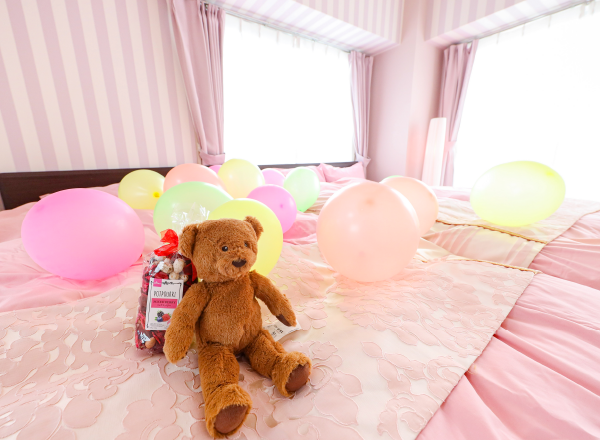 Du Etowaru #801
名古屋市北区大曽根
ワクワクするピンクの部屋よ!可愛いが大好きな女子大集合!名古屋市東区大曽根駅より徒歩5分。
Du Etowaru #801
名古屋市北区大曽根
ワクワクするピンクの部屋よ!可愛いが大好きな女子大集合!名古屋市東区大曽根駅より徒歩5分。
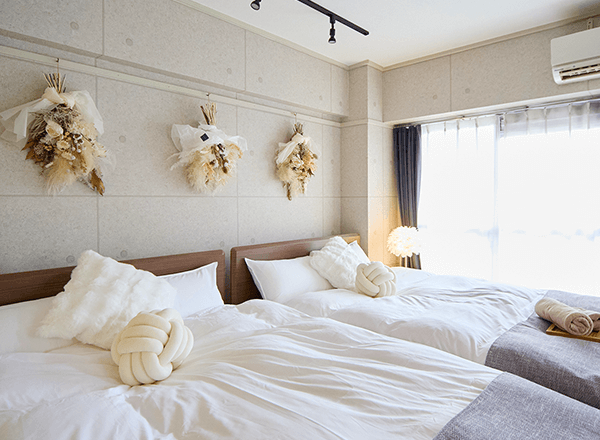
 Mezon Etowaaru #706
名古屋市北区大曽根
控えめな韓国風テイストの落ち着く空間。名古屋市北区大曽根駅より徒歩3分
Mezon Etowaaru #706
名古屋市北区大曽根
控えめな韓国風テイストの落ち着く空間。名古屋市北区大曽根駅より徒歩3分
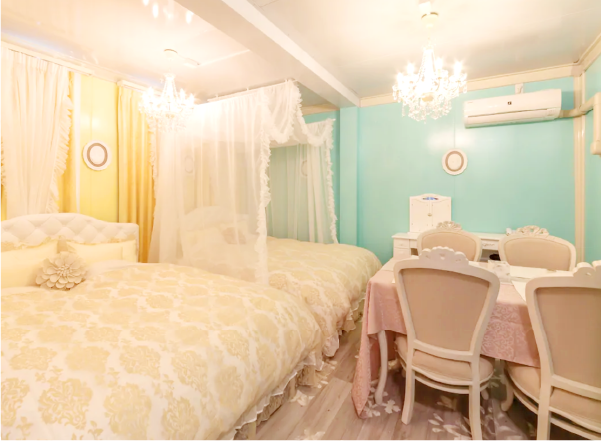 SakurA
名古屋市中村区烏森町
女性に人気のお洒落で大人可愛い民泊空間♪
SakurA
名古屋市中村区烏森町
女性に人気のお洒落で大人可愛い民泊空間♪
乗り換えなしで名古屋駅まで7分
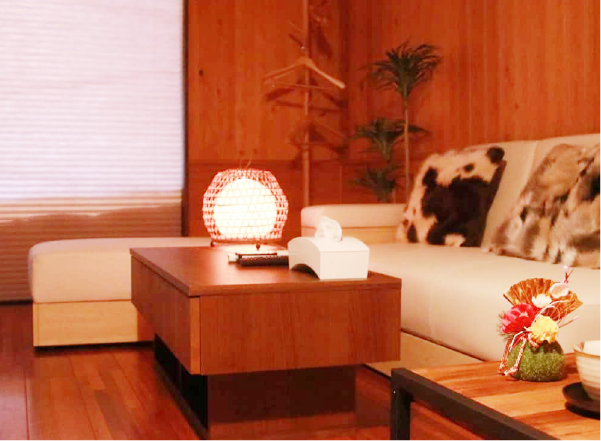 sakura.nagoya
名古屋アパートメント大須
壁一面に杉を貼った和モダンテイストなお部屋で民泊!名古屋市南区笠寺駅より徒歩6分
sakura.nagoya
名古屋アパートメント大須
壁一面に杉を貼った和モダンテイストなお部屋で民泊!名古屋市南区笠寺駅より徒歩6分
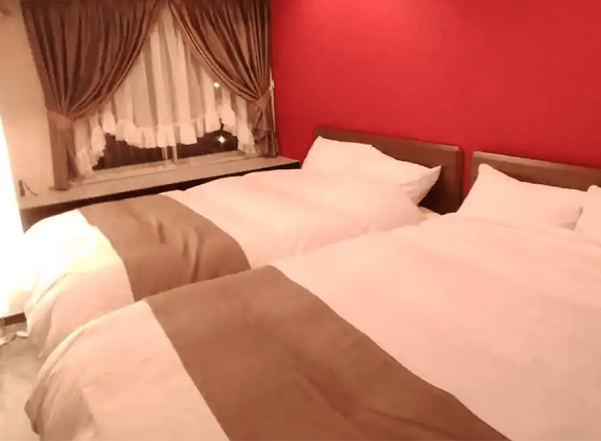 Nagoya Apartment Osu
名古屋市中区大須
最上階、広いウッドデッキバルコニー付きの11名宿泊可能なお部屋。名古屋市大須観音駅より徒歩4分
Nagoya Apartment Osu
名古屋市中区大須
最上階、広いウッドデッキバルコニー付きの11名宿泊可能なお部屋。名古屋市大須観音駅より徒歩4分
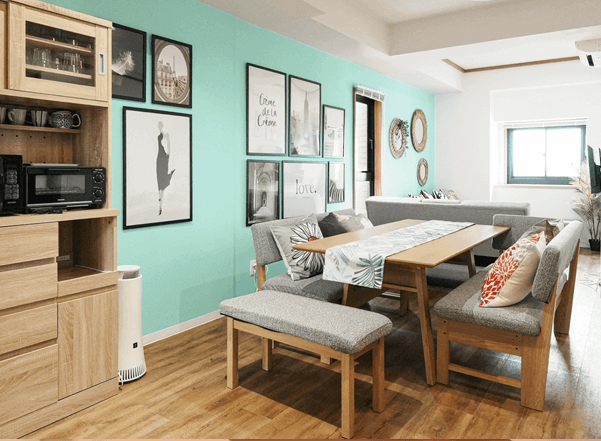 Nagoya Apartment Ikeshita
名古屋市千種区春岡
9階10階2フロア150㎡独占/最大14名宿泊、マッサージチェア、足湯付き。池下駅より徒歩3分
Nagoya Apartment Ikeshita
名古屋市千種区春岡
9階10階2フロア150㎡独占/最大14名宿泊、マッサージチェア、足湯付き。池下駅より徒歩3分