How to Take a Japanese Bath: Essential Sento & Onsen Rules for Visitors
2025.12.18Bath culture is an important part of daily life in Japan. More than simply washing the body, baths are a way to relax, warm up, and recover from a long day. Understanding how to properly use Japanese baths, sento (public baths), and onsen (hot springs) will help you enjoy the experience comfortably and respectfully.
This guide covers the basics of Japanese bathing culture, how to bathe correctly, and essential etiquette for sento and onsen.
目次
- Why Japanese People Love Baths
- Inside a Japanese Home Bathroom
- What Is an Onsen?
- What Is a Sento?
- People Who May Not Be Allowed in an Onsen
- What to Bring to Sento/Onsen
- Step-by-Step: How to Take a Japanese Bath
- Important Etiquette Inside the Bath
- FAQ: Japanese Sento & Onsen Rules
- Experience Nagoya’s Bath Culture Comfortably with NAGOYA APARTMENT
Why Japanese People Love Baths
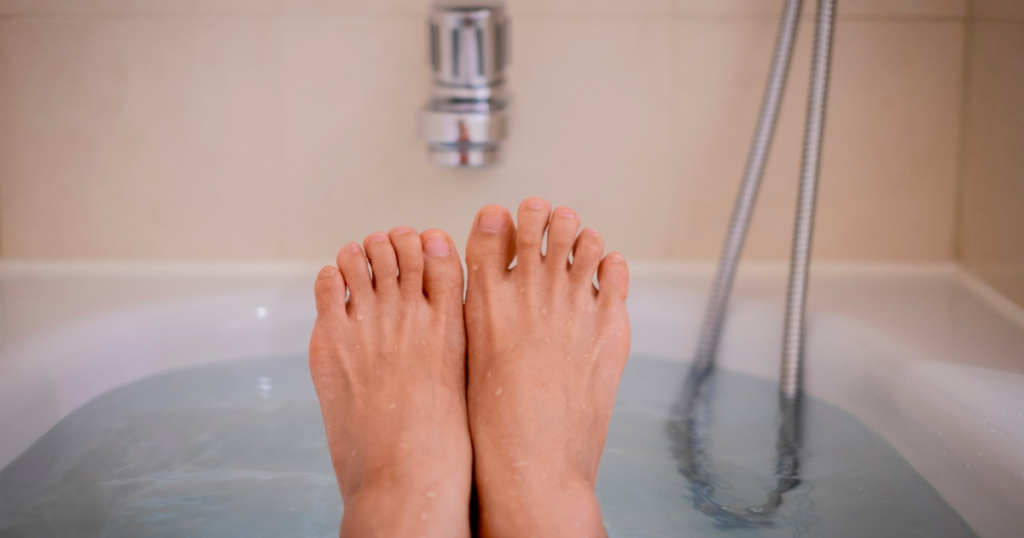
In Japan, bathing means more than showering—it means soaking in a hot tub to relax the body.
Most people bathe at night, before going to sleep.
Benefits include:
・Improved blood circulation
・Muscle and shoulder relaxation
・Reduced fatigue
・Better sleep
・Skin and metabolism benefits
Inside a Japanese Home Bathroom
A typical Japanese bathroom has:
・A washing area with a shower
・A separate bathtub
・A floor that can get wet
・The toilet is always in a different room
Important:
You must wash your entire body first at the washing area before entering the bathtub.
The bathtub is for soaking only, not for washing.
What Is an Onsen?
Japan has over 20,000 hot spring facilities, thanks to its volcanic geography.
Many regions have traditional onsen towns filled with ryokan (Japanese inns), outdoor baths, and scenic hot spring resorts.
Onsen trips are one of Japan’s most popular travel traditions.
What Is a Sento?
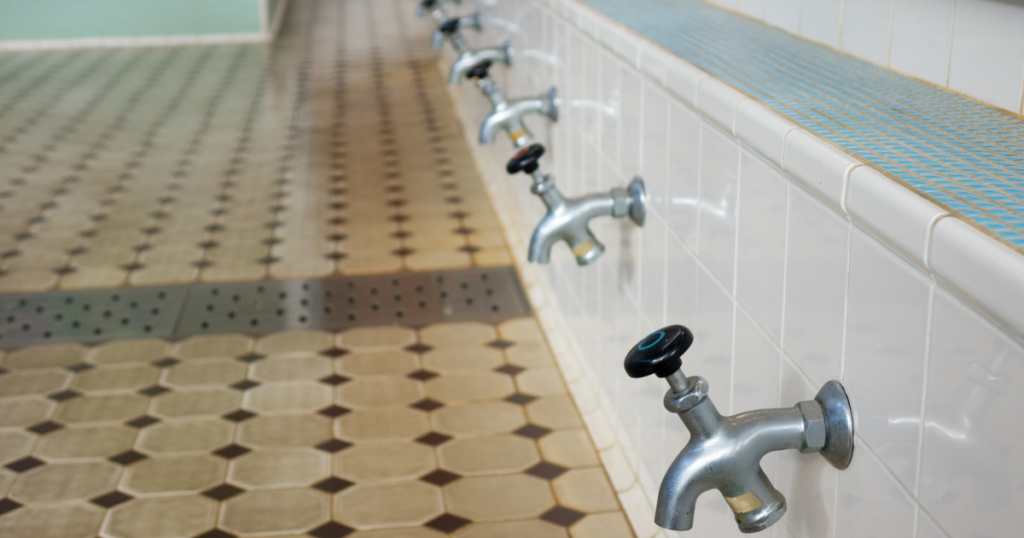
A sento is a public bath used for everyday bathing—not necessarily hot spring water.
Before home bathtubs became common, sento were part of daily life.
Today, sento are still popular for:
・Relaxing in a large bath
・Socializing with locals
・Enjoying affordable entry (usually ¥500–¥800)
Modern super sento offer saunas, outdoor baths, and many types of pools.
People Who May Not Be Allowed in an Onsen
Some facilities may refuse entry if:
・You have tattoos
(Traditionally associated with gangs, though small tattoos are accepted at some places)
・You have a serious medical condition
・You have a fever
・You are heavily intoxicated
・You are bleeding or menstruating
Always check facility rules in advance.
What to Bring to Sento/Onsen
・Small towel
・Large bath towel
・Hair tie (if you have long hair)
・Soap & shampoo (many sento do not provide them)
Do NOT bring:
・Swimsuits (most facilities ban them)
・Glass bottles
Step-by-Step: How to Take a Japanese Bath
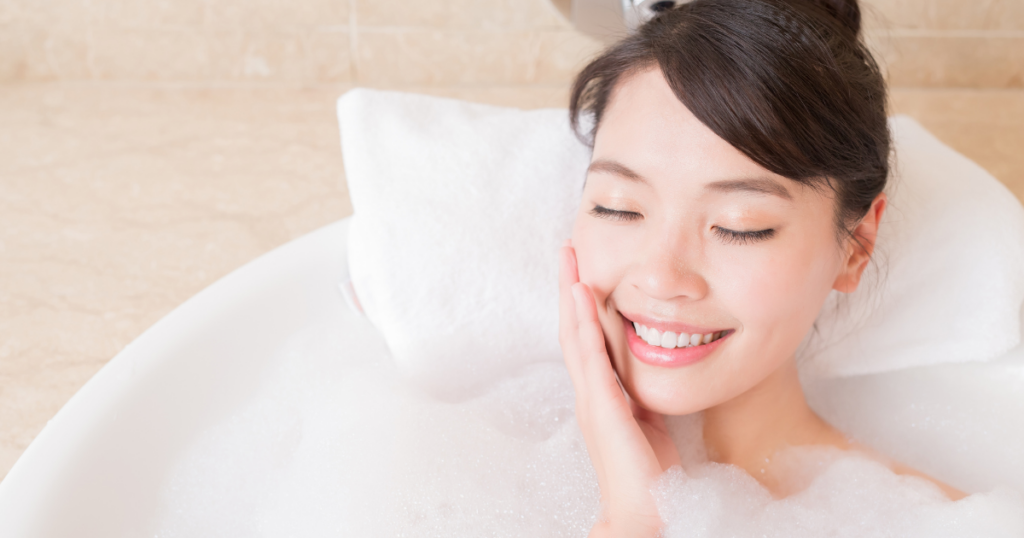
① Remove shoes before entering the changing room
You must be barefoot in the dressing area.
② Undress completely
Bathing is done naked at sento and onsen.
③ Wash your body thoroughly before soaking
Use soap, shampoo, and rinse completely.
Never enter the bathtub without washing.
④ Soak quietly and relax
・Do not swim
・Do not splash
・Do not wash your towel in the tub
・Do not put your towel into the water
Most people fold the small towel and place it on their head.
⑤ Dry off before entering the changing room
Use your small towel to remove most of the water before returning to the dressing area.
⑥ Check for forgotten items
Make sure to take everything with you.
Important Etiquette Inside the Bath
・Walk slowly—floors may be slippery
・Keep your voice low
・Clean the stool and bucket after use
・Do not drink alcohol in the bath area
・Respect others’ personal space
These rules are all based on respect and kindness toward other bathers.
FAQ: Japanese Sento & Onsen Rules
Q1. Do I need to be fully naked?
Yes. Almost all sento and onsen require full nudity.
Q2. Can I wear a swimsuit?
No—unless the facility specifically allows it (rare).
Q3. What if I have tattoos?
Some places allow small tattoos, others do not.
Check the website or ask in advance.
Q4. Are there mixed-gender baths?
Most are separated by gender, but outdoor “konyoku” mixed baths still exist in some regions.
Q5. Can children enter?
Yes, but parents must supervise them closely.
Q6. How hot is the water?
Typically 40–42°C (104–108°F).
If it feels too hot, enter slowly.
Experience Nagoya’s Bath Culture Comfortably with NAGOYA APARTMENT
If you want to explore Nagoya’s onsen, sento, and unique bathing culture, staying in a convenient location makes your trip easier.
NAGOYA APARTMENT offers fully furnished, move-in-ready rooms in key areas such as:
Nagoya Station / Chikusa / Ozone / Osu / Kasadera / Imaike / Ikeshita
Perfect for both short stays and long-term monthly stays (31+ nights), with:
・Full furniture & appliances
・Kitchen and daily essentials
・No key money
・No security deposit
・Easy access to public baths and hot spring facilities around the city
Whether you’re traveling, relocating, or working remotely in Nagoya,
NAGOYA APARTMENT provides a comfortable home base for exploring Japanese culture.
 最近の投稿
最近の投稿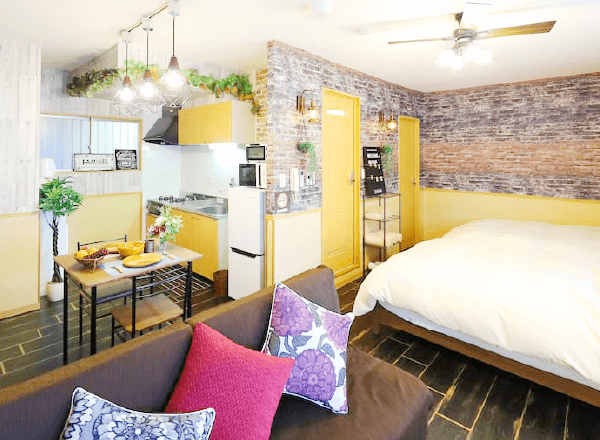
CHOOSE A ROOM
NAGOYA APARTMENTの豊富な物件から
気分にあったお部屋を選ぶ!
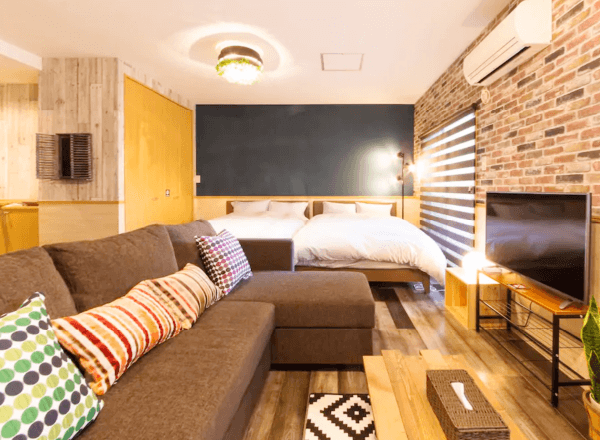 Nagoya Apartment Chikusa #302
名古屋市千種区内山
カフェ風テイストな内装でくつろぎの空間で民泊。
Nagoya Apartment Chikusa #302
名古屋市千種区内山
カフェ風テイストな内装でくつろぎの空間で民泊。
名古屋市東区千種駅より徒歩3分
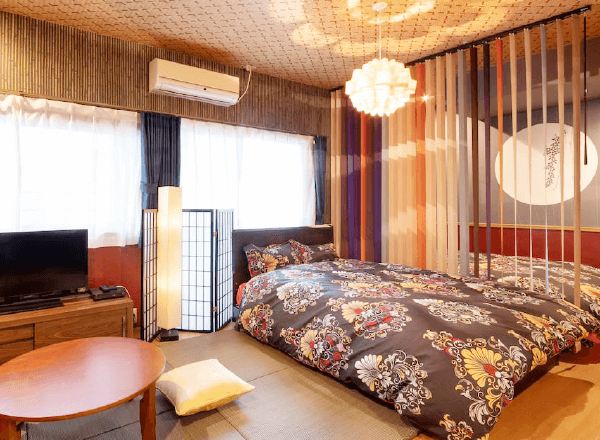 Nagoya Apartment Chikusa #501
名古屋市千種区内山
和モダンテイストのお部屋で民泊。老若男女問わず人気!名古屋市東区千種駅より徒歩3分
Nagoya Apartment Chikusa #501
名古屋市千種区内山
和モダンテイストのお部屋で民泊。老若男女問わず人気!名古屋市東区千種駅より徒歩3分
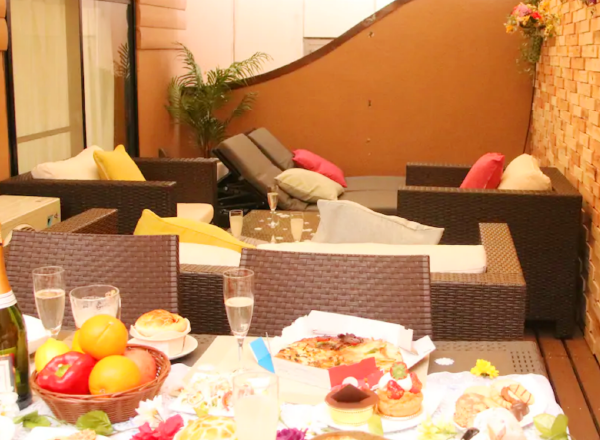 Nagoya Apartment Imaike
名古屋市千種区今池
プロジェクター完備!おしゃれな部屋で優雅な民泊を。名古屋市東区今池駅より徒歩4分
Nagoya Apartment Imaike
名古屋市千種区今池
プロジェクター完備!おしゃれな部屋で優雅な民泊を。名古屋市東区今池駅より徒歩4分
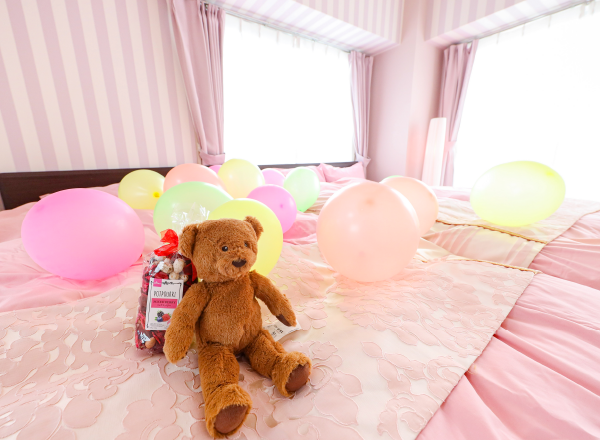 Du Etowaru #801
名古屋市北区大曽根
ワクワクするピンクの部屋よ!可愛いが大好きな女子大集合!名古屋市東区大曽根駅より徒歩5分。
Du Etowaru #801
名古屋市北区大曽根
ワクワクするピンクの部屋よ!可愛いが大好きな女子大集合!名古屋市東区大曽根駅より徒歩5分。
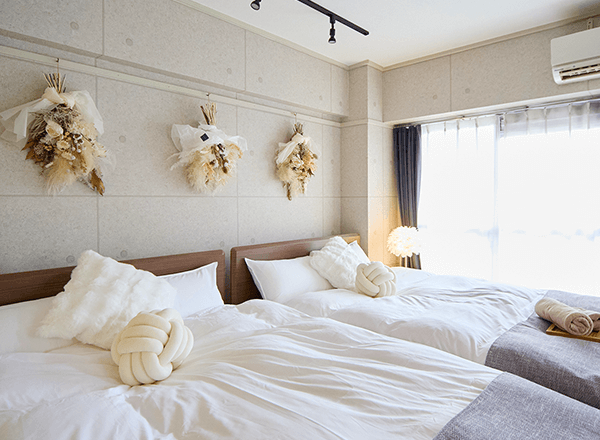
 Mezon Etowaaru #706
名古屋市北区大曽根
控えめな韓国風テイストの落ち着く空間。名古屋市北区大曽根駅より徒歩3分
Mezon Etowaaru #706
名古屋市北区大曽根
控えめな韓国風テイストの落ち着く空間。名古屋市北区大曽根駅より徒歩3分
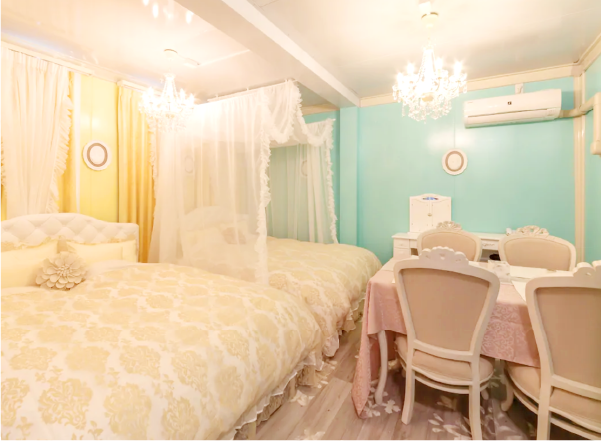 SakurA
名古屋市中村区烏森町
女性に人気のお洒落で大人可愛い民泊空間♪
SakurA
名古屋市中村区烏森町
女性に人気のお洒落で大人可愛い民泊空間♪
乗り換えなしで名古屋駅まで7分
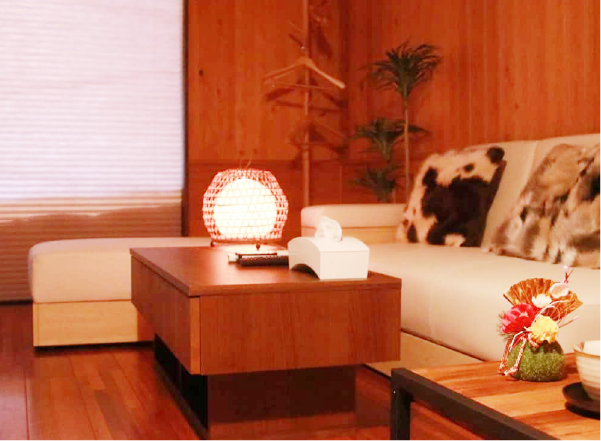 sakura.nagoya
名古屋アパートメント大須
壁一面に杉を貼った和モダンテイストなお部屋で民泊!名古屋市南区笠寺駅より徒歩6分
sakura.nagoya
名古屋アパートメント大須
壁一面に杉を貼った和モダンテイストなお部屋で民泊!名古屋市南区笠寺駅より徒歩6分
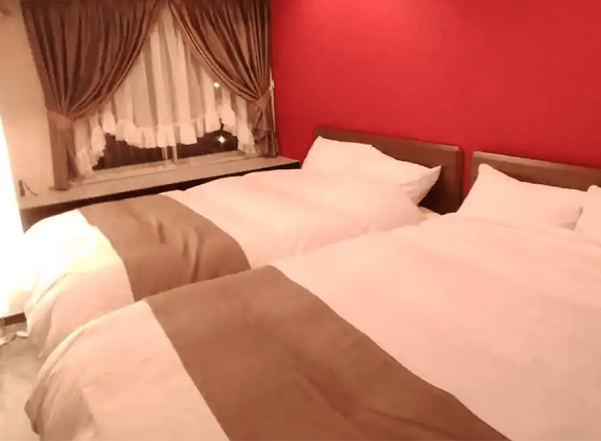 Nagoya Apartment Osu
名古屋市中区大須
最上階、広いウッドデッキバルコニー付きの11名宿泊可能なお部屋。名古屋市大須観音駅より徒歩4分
Nagoya Apartment Osu
名古屋市中区大須
最上階、広いウッドデッキバルコニー付きの11名宿泊可能なお部屋。名古屋市大須観音駅より徒歩4分
 Nagoya Apartment Ikeshita
名古屋市千種区春岡
9階10階2フロア150㎡独占/最大14名宿泊、マッサージチェア、足湯付き。池下駅より徒歩3分
Nagoya Apartment Ikeshita
名古屋市千種区春岡
9階10階2フロア150㎡独占/最大14名宿泊、マッサージチェア、足湯付き。池下駅より徒歩3分